Home › Gravel-to-Asphalt Conversions
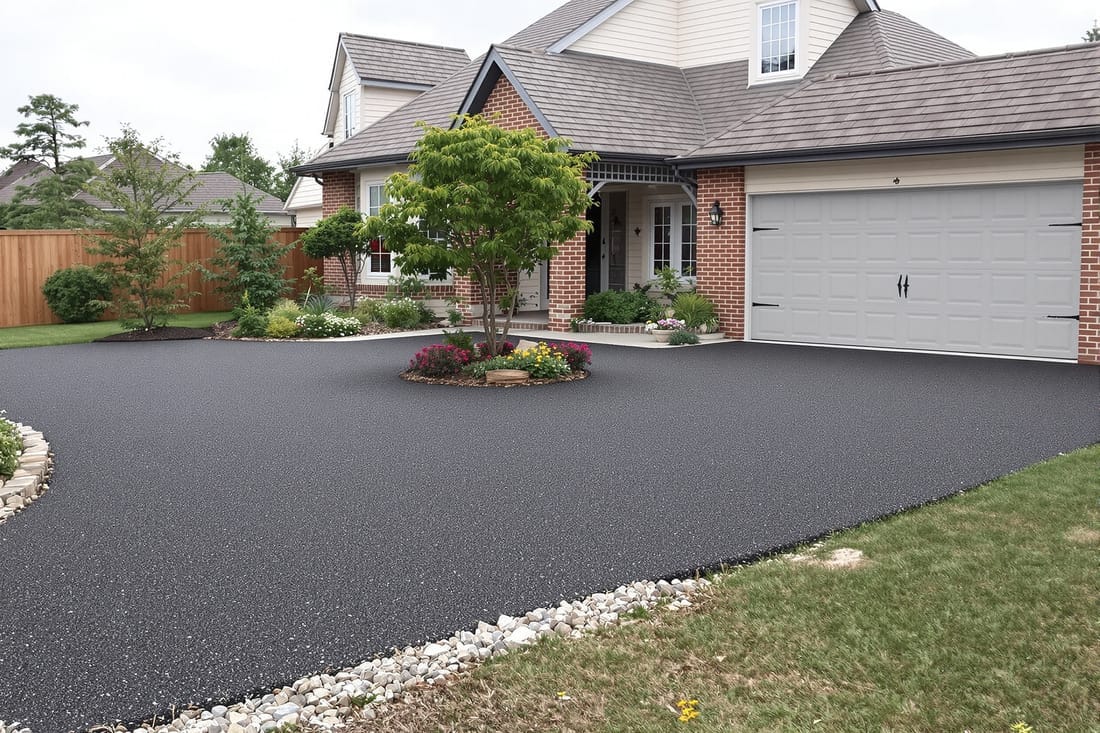
Our gravel to asphalt driveway service in Corpus Christi, TX replaces dusty, muddy approaches with clean blacktop that is easy to maintain. We regrade the existing gravel, compact a solid base, then pave a new asphalt surface sized for your vehicles. The result is a smoother drive, less mess, and better curb appeal for your home.
Precision Asphalt Corpus Christi provides professional gravel to asphalt driveway throughout Corpus Christi, TX, Texas and the surrounding area. Our licensed, insured crew delivers safe, clean, on-time work with a free estimate before anything begins. Call (361) 266-1487 or request your free quote.
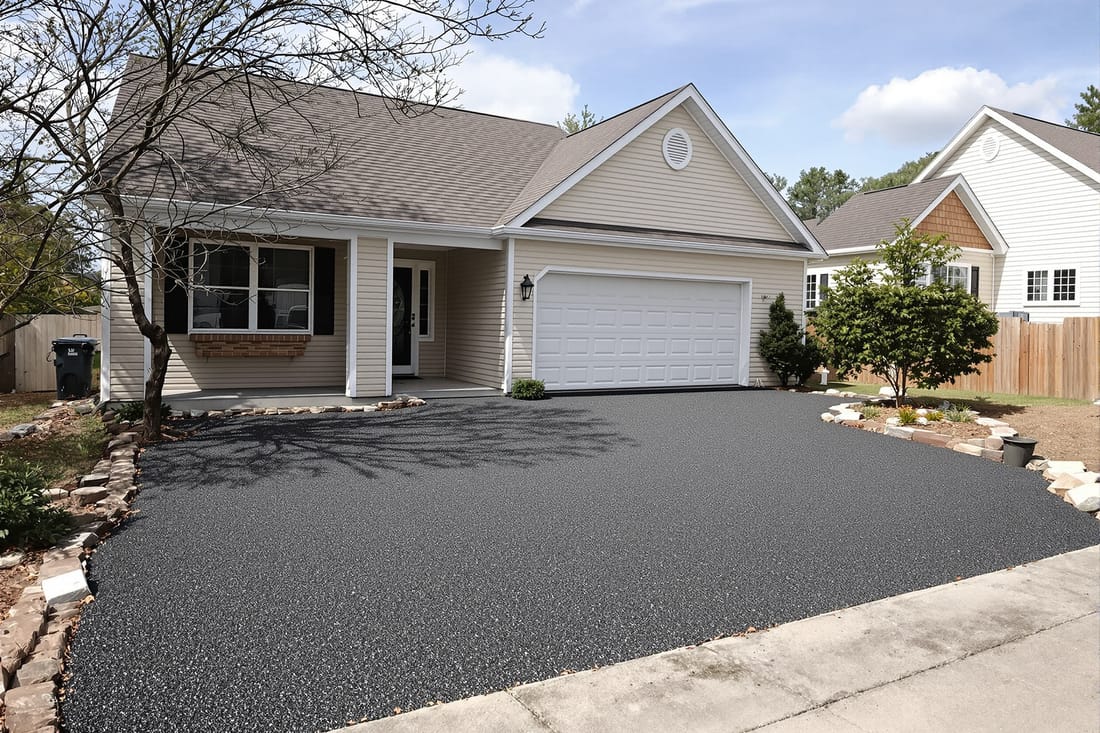
Upgrade Your Gravel Driveway With Local Asphalt Experts
If you are tired of dust, ruts, and washouts from a gravel driveway, a gravel to asphalt driveway conversion can make everyday life easier and add real value to your Corpus Christi property. Precision Asphalt Corpus Christi specializes in converting existing gravel drives into smooth, long‑lasting asphalt surfaces that handle South Texas heat and coastal weather.
Unlike a basic overlay, a proper conversion starts with evaluating your existing gravel base, drainage, and how you use the driveway. We look at where water stands after a storm, how delivery trucks enter, and what parts of the drive break down first. This local, site‑specific approach is what keeps new asphalt from cracking, rutting, or unraveling within a few summers.
Whether you have a short residential drive off Everhart or a longer ranch entrance outside the city limits, our crews and equipment are set up for Corpus Christi soil conditions and climate so the finished surface holds up under UV, rain, and heavy vehicles.
How We Evaluate Your Existing Gravel Driveway
A successful gravel to asphalt driveway project starts with a detailed inspection, not a quote from a satellite image. When Precision Asphalt Corpus Christi visits your property, we walk the entire drive and make notes on drainage patterns, soft spots, and traffic loads.
First, we check base thickness by probing the gravel and subgrade at several points. A strong asphalt driveway typically needs 4 to 8 inches of compacted base material, depending on soil type and how heavy the vehicles are. In Corpus Christi, many drives sit on expansive clay that can pump and shift when it gets saturated, so we pay close attention to areas that stay damp longer.
Next, we look for low spots where puddles form after coastal rains. Standing water is one of the fastest ways to damage new asphalt, so we design the finished driveway with at least a 2 percent slope in problem areas and, where needed, we add shallow swales or regrade shoulders so water has a clear path to drain.
We also review access points. If large boats, RVs, or work trucks regularly turn across the edge of the driveway, we plan thicker edge support or additional base material in those zones to prevent edge breaking and crumbling.
Step‑by‑Step Gravel to Asphalt Driveway Conversion
Once we understand your site, Precision Asphalt Corpus Christi follows a clear, field‑tested process to convert your gravel drive.
1. Site prep and grading: We strip off loose, contaminated, or oversized rock and grade the existing gravel so it has a consistent profile. We correct dips and humps and ensure the driveway has the right crown or side slope for drainage.
2. Base repair and strengthening: Soft areas are undercut and rebuilt with new base material, usually crushed limestone or recycled concrete that compacts tightly. In coastal clay, we sometimes install a geotextile fabric under the base to separate it from unstable subsoil and reduce future rutting.
3. Compaction: Using vibratory rollers, we compact the base in multiple passes until it reaches the density needed to support asphalt. In Corpus Christi, humidity and subgrade moisture can affect compaction, so our crew checks firmness with test passes and adjusts watering as needed.
4. Tack coat application: On top of the prepared base, we spray a tack coat, a thin layer of asphalt emulsion that helps the new pavement bond firmly. Skipping this step is a common corner cut that leads to early separation between asphalt and base.
5. Asphalt placement: We place hot mix asphalt with a paver for consistent thickness. For most residential gravel to asphalt driveway conversions, we recommend 2.5 to 3 inches of compacted asphalt, installed in one or two lifts depending on loads. High use or heavy truck traffic may call for a thicker section or a stronger mix design.
6. Final rolling and detail work: Steel drum and pneumatic rollers compact the asphalt while it is still at proper temperature. Our crew then hand finishes edges, transitions to the street, and around culverts or concrete tie‑ins for a clean, functional finish.
Material Options and Design Choices for Your New Driveway
A gravel to asphalt driveway conversion is a chance to improve more than just the surface. Precision Asphalt Corpus Christi helps you choose materials and details that fit both your budget and how you actually use the drive.
Mix type: For most homes in Corpus Christi, we use a dense graded hot mix asphalt that balances smoothness with durability. In areas where trailers or equipment make tight turns, we may recommend a slightly coarser surface mix that improves traction and resists scuffing.
Thickness and structure: Light residential driveways often perform well with 3 inches of compacted asphalt over a properly built base. If the driveway carries delivery trucks, construction equipment, or frequent boat and RV traffic, we may propose an extra inch of asphalt, a stronger base layer, or both.
Layout changes: During conversion, we can straighten awkward curves, widen passing areas, or add a parking pad so visitors do not park on your lawn. In neighborhoods like Calallen or Flour Bluff with drainage ditches, we carefully match driveway slopes to culverts so water keeps flowing and you still have easy access.
Edge treatments: Open gravel edges are replaced with firm asphalt edges. Where a driveway meets grass, we can slightly thicken the edge or add a narrow gravel shoulder to reduce cracking from tires that run off the side. Near garages or patios, we can tie the new asphalt into existing concrete with a smooth transition that will not catch snow shovels or lawn equipment.
What Affects the Cost of Converting Gravel to Asphalt
Homeowners often ask why quotes for gravel to asphalt driveway projects vary so much. Precision Asphalt Corpus Christi is upfront about the main cost drivers so you can compare bids on equal terms.
Base condition: The largest variable is how much base repair or replacement is required. A long‑used gravel drive with deep ruts, poor drainage, or sections that stay muddy after rain will need more excavation and new base material than a well maintained one.
Driveway size and shape: Straight, easily accessed drives cost less per square foot than narrow or winding lanes that require more handwork or smaller equipment. Long rural drives may have lower unit pricing but require more total material and time.
Thickness and mix: More asphalt thickness and stronger mix designs cost more upfront but usually extend service life, especially with heavy vehicles. We will explain the tradeoffs so you can decide where extra investment makes sense.
Site access and drainage upgrades: Limited access, tight gates, or the need to add culverts, swales, or extra grading can add to overall cost. In Corpus Christi, small drainage improvements are often worth the expense because they protect the new asphalt from frequent coastal rains.
We provide itemized proposals that separate base work, asphalt tonnage, and any drainage or layout changes so you can see exactly where your money is going.
Timing, Weather, and Local Considerations in Corpus Christi
Asphalt performance is closely tied to installation conditions, which is especially true in a Gulf Coast climate. Precision Asphalt Corpus Christi schedules gravel to asphalt driveway projects when weather supports proper compaction and curing.
Ideal season: In our area, late fall through early spring is often best. Temperatures are cooler, but still warm enough for asphalt to stay workable, and there is usually less intense UV and fewer long stretches of extreme heat that can speed surface oxidation during the first weeks.
Rain and humidity: We monitor local forecasts closely. Freshly placed asphalt should not be exposed to heavy rain while still hot and tender. High humidity also affects how quickly moisture leaves the base, which is why we sometimes delay work a day or two after major storms to avoid trapping water under the new pavement.
Traffic and curing: While you can usually drive on a new gravel to asphalt driveway within 24 hours, we advise Corpus Christi homeowners to avoid sharp turns from heavy vehicles, parking in the same spot for long periods, or using kickstands and jacks directly on the surface for about a week during warm weather. This allows the asphalt to gain strength and reduces cosmetic scuffing.
How Precision Asphalt Corpus Christi Protects Your Investment
A gravel to asphalt driveway is a significant upgrade, and how it is maintained in the first few years will affect how long it lasts. We walk every customer through a simple care plan tailored to South Texas conditions.
After installation, we point out key drainage paths and ask that you keep them clear of soil, leaves, and grass buildup. In Corpus Christi, wind‑blown sand and debris can trap moisture along the edges, so a quick clean‑up after storms helps a lot.
Within the first 2 to 3 years, we usually recommend evaluating for sealcoating. Sealcoat is not a substitute for proper thickness or structure, but in our sunny coastal climate it can slow oxidation and minor surface wear. We also inspect for small edge cracks or early settlement and can address them with crack sealant or localized patching before they grow.
By combining a thorough initial conversion, careful attention to local drainage and soil conditions, and straightforward maintenance guidance, Precision Asphalt Corpus Christi helps your new gravel to asphalt driveway stay smooth, clean, and trouble‑free for many years.